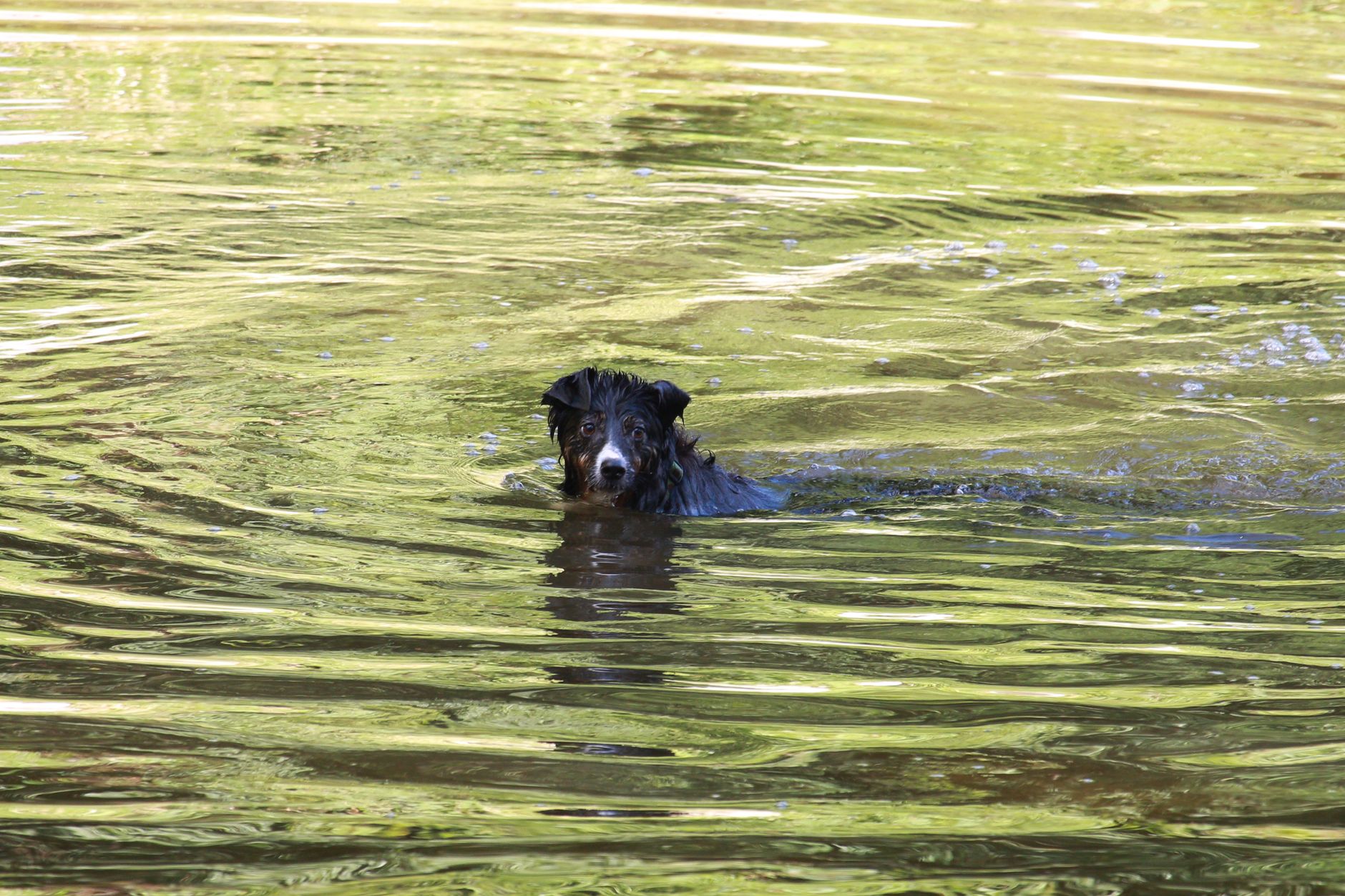
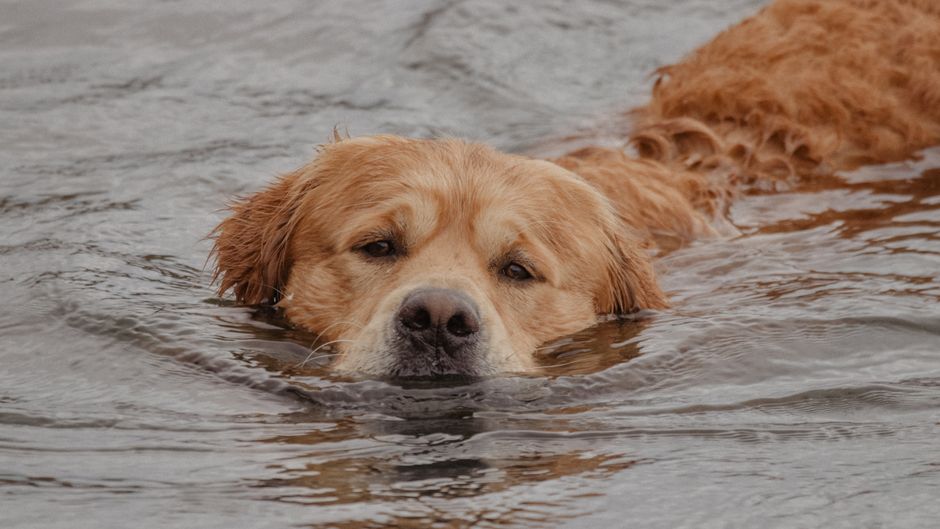
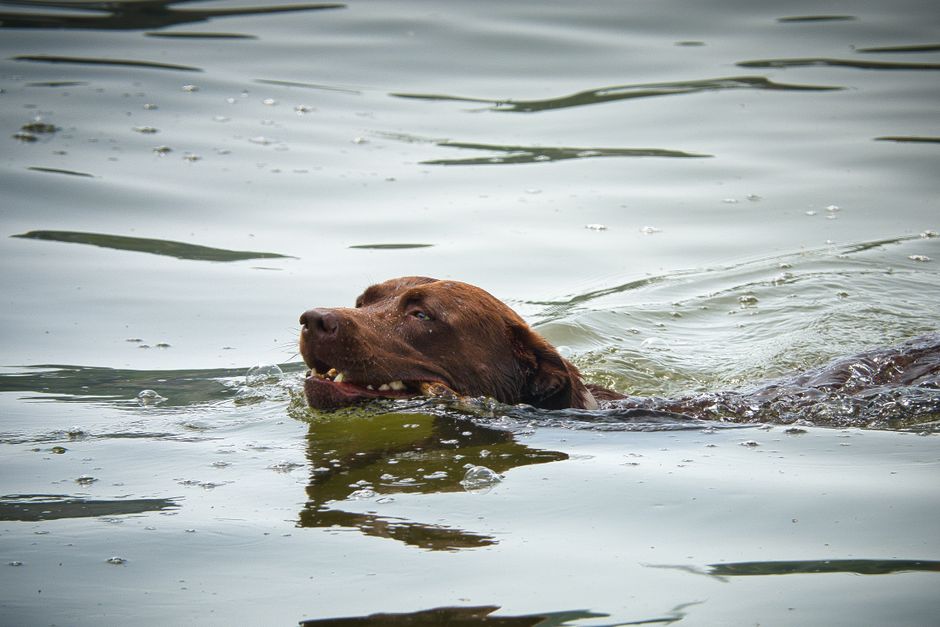
Many small breeds are weak swimmers, and a panicked little dog tires fast. Here are five small-dog life jackets that float well, grip securely, stay snug, and lift out fast.
Most at risk in the water:
!Flat-faced breeds that hold the nose just clear of the water
!Deep or barrel-chested dogs that swim nose-up, tail-down
!Toy and short-legged dogs that tire and chill fast
!Seniors, puppies, and any dog new to deep or open water
Updated June 2026·Researched against canine water-safety and flotation guidance
Photo: Maurice Engelen · Pexels
Start here: the fit check for a dog life jacket for small dogs
Enter your dog's chest girth and weight for a starting size, then choose what your day on the water looks like to see the best-matched vest. Fit decides everything, so treat this as the first step, not the last.
60-second fit check
in
lb
What will the day look like?
Starting sizeXS
Chest about 14 to 18 in, roughly 8 to 15 lb. Brands vary, so always confirm against the maker's chart.
Best matchEzyDog DFD X2 Boost
Because its Micro model is built for tiny frames and gives flotation without bulk.
Snug, not loose: you should fit two fingers under each strap and no more. A vest that slips over the head is worse than none.
First, the truth: not all small dogs float
All dogs can swim is a myth that drowns small dogs.
It is comforting to believe every dog is born knowing how to swim, and that the doggy paddle will save any of them. For plenty of small breeds that is simply not true. Short legs, a deep or barrel chest, and very little body fat mean a lot of little dogs sit low in the water and burn energy just keeping the nose up. Some can paddle in calm shallows for a minute or two; far fewer can hold a safe, level float when they get tired, cold, or frightened.
Body shape decides most of it. Flat-faced breeds like pugs, French bulldogs, Boston terriers, and shih tzus have to tilt the head back to keep a short muzzle clear of the surface, which is exhausting and leaves almost no margin if a wave washes over. Long, deep-chested dogs like dachshunds and corgis float nose-up and tail-down, an awkward angle that drags the back end under. Toy breeds carry so little fat that they lose heat fast and tire in minutes, and both very young puppies and stiff seniors lack the strength or stamina to recover if something goes wrong.
Open water hides risks a backyard pool never shows. A small dog can be knocked off a paddleboard by a passing wake, slip off a dock, or be pulled by a current a person would barely feel. Cold water saps a tiny body in minutes, and a panicked dog often paddles straight down or tries to climb onto you, which puts you both under. A life jacket does not make a dog a swimmer; it buys time, holds the head up while you reach them, and gives you a handle to lift by.
So this guide is built fit-first. The single most important thing about a small-dog life jacket is not the brand or the color, it is whether it is snug enough that it cannot slide off over the head when your dog paddles. Get the size right and a cheap vest will save a dog; get it wrong and the most expensive vest on the shelf becomes a hazard. Start with the fit check below, then choose from the vetted picks.
How a life jacket actually keeps a small dog afloat
A good small-dog vest is not padding for looks. Each part does a specific job, and on a little dog the margins are tiny, so every part has to earn its place.
1
Foam flotation panels
Closed-cell foam along the sides and under the chest provides the lift. It should be thick and placed to hold the dog in a natural, head-up position so it can rest instead of thrash. A thin neoprene shell with token padding looks the part but lets a weak swimmer sink.
2
An under-chin or neck float
A buoyancy flap beneath the chin, or a float built into the collar, props the face clear of the surface. Because small and short-legged dogs ride so low, this head support is often the difference between a calm float and a constant fight to breathe.
3
A top grab handle
A strong, well-anchored handle high on the back is how you lift a soaked dog out of deep water or back onto a boat in one motion. A wet, squirming little dog is heavier and harder to hold than you expect, so a flimsy fabric loop is not enough.
4
Bright color and reflective trim
Orange, yellow, or red plus reflective strips make a small, bobbing dog far easier to track on a busy lake or in low light. A dark vest on a dark dog vanishes against the water the moment they are a few yards out.
5
Adjustable straps and a leash point
Multiple buckles at the neck and belly let you cinch the vest close on a small frame, and a sturdy D-ring lets you clip a lead for the walk to the water. The straps are what keep the foam where it belongs while the dog paddles hard.
The small dogs that need the most help
Brachycephalic (flat-faced) breeds.A short muzzle held just above the surface tires fast and floods easily; the chin float matters most here.
Deep or barrel-chested dogs.Dachshunds, corgis, and similar shapes float nose-up and tail-down, so side panels and a chin float keep them level.
Toy and very small breeds.Little body fat means they chill and tire in minutes, long before they look like they are struggling.
Senior and recovering dogs.Weaker muscles and stiff joints leave no reserve if they tire; the foam does the work their legs no longer can.
Puppies and first-timers.No water experience plus low stamina is a dangerous mix; a vest lets early swims stay calm and short.
Photo: Alasdair Braxton / Pexels
What makes a dog life jacket for small dogs genuinely safe
Every pick below has to clear the same four jobs: real buoyancy, a fit that cannot slip, a handle that lifts, and visibility on the water. Here is what to look for.
Real flotation, not fashion
Look for thick foam panels along the sides and chest, not a thin neoprene shell. A small dog needs genuine buoyancy to stay afloat without effort, and a vest that only looks the part will let a weak swimmer sink.
A snug, no-slip fit
This matters more for small dogs than anything else. Multiple adjustment points at the neck and belly let you cinch the jacket close so it cannot ride up over the head or twist sideways when your dog paddles. A loose vest is worse than none.
A sturdy grab handle
A handle on the back is how you lift a soaked dog out of deep water or back onto a boat. On a small dog it should still be strong and well anchored, not a flimsy loop, because a wet little dog is heavier and squirmier than you expect.
Under-chin and neck float
A buoyancy flap under the chin or a float collar helps keep a small dog's face clear of the water. Because little dogs sit so low, this head support is often the difference between a relaxed float and a constant fight to breathe.
High-visibility color
Bright orange, yellow, or red plus reflective trim makes a small, bobbing dog far easier to track on open water and in low light. A dark vest on a dark dog disappears against the water the moment they are a few yards out.
Low bulk, free movement
The jacket should let the legs paddle freely and not bunch under the front legs. Small dogs are easily overwhelmed by a heavy, stiff vest, so the best ones float well while staying light and trim enough to move in.
The small-dog life jackets we trust
Each vest below was judged on the four things that keep a small dog safe: real buoyancy, a fit that cannot slip, a handle that lifts, and visibility on the water. We feature four in full, with one more budget option after.
Safest all-around
Ruffwear Float Coat
Premium · All-around water · Best for Confident and nervous swimmers alike
The safest, best-built default for a small dog, if you do not mind paying for it.
Buoyancy
Excellent
Snug fit
Excellent
Grab handle
Excellent
Visibility
Strong
The Float Coat is the vest most water-safety writers reach for first, and it earns it. The foam is substantial and placed to hold a dog in a natural, head-up position, which makes it a standout for nervous or less skilled swimmers. It comes in sizes down to the very small end, so even a little dog gets the same considered design as a Labrador.
The fit is where it shines for small dogs. A telescoping neck closure and snug belly straps let you dial the jacket in so it stays put through a hard paddle, and the strong, well-anchored handle sits high on the back for a clean one-handed lift. Reflective trim and a light loop round out the safety features.
Who it is for: owners who want the safest, best-built option and accept the price. The main niggle is a plastic leash D-ring tucked under the handle, which is protected but a little fiddly to reach. If your budget is tight, drop to the Outward Hound Granby Splash.
Premium · Streamlined fit · Best for Toy breeds and very small dogs
The most tailored fit for toy breeds, with a Micro model made for very small dogs.
Buoyancy
Strong
Snug fit
Excellent
Grab handle
Good
Visibility
Good
EzyDog built the X2 Boost around a streamlined, athletic fit, and it now comes in smaller sizes that suit little dogs who want flotation without bulk. For the smallest dogs, EzyDog also makes a Micro version designed for dogs under 15 pounds, with a scaled-down handle and a snug cut that does not swallow a tiny frame.
The chest support panel encourages a level, forward swim position rather than a nose-up scramble, and the wraparound design adjusts close to the body so it stays in place. The handle is set for control and quick lifts, and the overall feel is trim enough that a small dog can actually move in it instead of being pinned.
Who it is for: toy breeds, very small dogs, and any owner who wants the most tailored fit. It sits toward the premium end, and the snug athletic cut means you must measure carefully, because there is little slack to spare.
Mid-range · Boating and swimming · Best for Visibility and quick lifts
Strong value with two handles and high visibility, ideal for boating and dock days.
Buoyancy
Good
Snug fit
Good
Grab handle
Excellent
Visibility
Excellent
The Surf n' Turf is the value favorite for small dogs, and a lot of that comes down to the two grab handles on top. For boating or dock days where you are lifting a dog in and out over and over, a second handle makes the job easier and the lift more balanced.
It is lightweight and low-profile with bright colors and reflective trim, so a small dog stays visible without being weighed down. A built-in D-ring adds leash control on the walk to the water, and the multiple adjustment points let you secure it snugly on a little body.
Who it is for: small-dog owners who want strong value, high visibility, and easy handling on the water. Reviewers note the buoyancy and handle are lighter duty than the premium vests, which is fine for small dogs but means it is not the pick for a heavy or hard-charging swimmer.
Budget · Budget flotation · Best for Dachshunds, corgis and weak swimmers
Real float power at a friendly price, with a chin float that suits long, low breeds.
Buoyancy
Strong
Snug fit
Good
Grab handle
Strong
Visibility
Strong
The Granby Splash brings real float power at a price that does not sting. Thick foam side panels and an under-chin neck float give a weak swimmer serious help staying afloat, which is exactly what an inexperienced small dog needs.
It is a particularly smart pick for long-bodied small breeds like dachshunds and corgis, where the side panels and chin float support an awkward swim shape. Dual top handles make for quick lifts, bright colors aid visibility, and quick-release buckles with adjustable straps get a snug fit on most small dogs.
Who it is for: budget-minded owners and long, low dogs who need extra buoyancy. The main gripe is that some versions skip a leash D-ring, so check the model if you want to clip a lead to the vest. Handle layout can also vary between the Splash and Ripstop versions.
How to measure and fit a dog life jacket for small dogs
Fit is the whole game for a small dog, because a jacket that slips off over the head in the water is worse than useless. Grab a soft tape measure and your dog's weight, write the numbers down, then check them against the brand's own size chart, since sizing varies a lot between makers. The quick tool above gets you a starting size; this is how you confirm it.
1. Chest girth, the number that matters mostWrap the tape around the widest part of the chest, just behind the front legs, and keep it snug but not pinching. The foam panels and the main belly strap wrap around the chest, so this single measurement decides the size more than weight does. Two dogs at the same weight can need different sizes if one is barrel-chested and the other is lean.
2. Neck girth, so it cannot ride upMeasure around the base of the neck where a collar naturally sits. A vest that is loose at the neck will slide forward over the head when your dog paddles, which is the exact failure you are trying to prevent. The neck closure should close down small enough to sit close without choking.
3. Back length, for long, low breedsMeasure along the spine from the base of the neck to the base of the tail. This matters most for dachshunds, corgis, and other long dogs, where a vest sized only by chest can leave the back end uncovered or bunch behind the front legs. Match the length to the chart, not just the girth.
4. Weight, as a cross-checkWeigh your dog and confirm the number falls inside the vest's stated range. Use weight to settle ties: if your chest measurement lands between two sizes, the weight band and the snug-not-loose rule below tell you which way to go.
Snug, not loose: the two-finger rule
Once the vest is on, you should be able to slide two fingers under each strap and no more. Less than that and it pinches or restricts the paddle; more than that and it can twist or slip off in the water. Loose is the most common and most dangerous fit mistake small-dog owners make, so when you are between sizes, size up only if you can still cinch the larger one genuinely snug. If you cannot close it down to the two-finger fit, it is too big.
Photo: Joerg Hartmann / Pexels
Match the vest to the water
Where you take a small dog changes what can go wrong and what the vest has to do. Here is how the same little dog faces four common settings, and the one rule that matters most in each.
Pool
The risk. The hidden danger is the exit. A small dog that cannot find the steps will swim the walls until it is exhausted, and pool sides are too high to climb out.
The rule. Teach the steps first, keep early sessions short, and use the handle to lift out. Never leave a small dog unattended near an uncovered pool.
Boat or kayak
The risk. Falls overboard, wakes from other boats, and the long reach back up to the deck. A wet dog is hard to grab without a handle.
The rule. Vest on before you launch, not after a dog is already in the water. Pick a model with a strong handle, ideally two, for balanced lifts back aboard.
Beach or open water with current
The risk. Currents, rip tides, and waves that wash over a low-riding small dog. Even a strong paddler can be carried out faster than you can follow.
The rule. Stay between your dog and deep water, keep them close, and read the conditions. A bright vest with reflective trim keeps a small dog visible in chop.
Lake or pond
The risk. Cold water that saps a tiny body, sudden drop-offs near the shore, and weeds or debris that can tangle a panicked dog.
The rule. Check the water temperature, ease in from a gentle entry, and end the swim before your dog shivers or slows. The chin float helps a tired dog rest.
Water-safety rules for a small dog in a life jacket
A vest is safety gear, not a babysitter. These rules keep the jacket doing its job and keep you in control of the situation.
Supervise within arm's reach in deep or open water. The vest buys time; you do the rescuing.
Check the fit before every outing, including the two-finger strap test, because buckles loosen and dogs change shape.
Acclimate on dry land first so the vest predicts good things, then start in calm, shallow water.
Watch for cold and fatigue, and end the swim before your dog shivers, slows, or goes quiet.
Rinse the vest after saltwater or chlorine and let it dry fully so the foam and straps last.
Never use a vest sized for a bigger dog unless you can cinch it genuinely snug; an oversized jacket rides up and twists.
Know what trouble looks like
Even in a vest, small dogs hide fatigue until they are in real difficulty. Get your dog out of the water and somewhere warm if you see any of these:
Paddling almost vertically, with the back end sinking and the nose tipped up
Frantic, slapping front-paw strokes instead of a smooth, level paddle
Trying to climb onto you, a float, or the side of the pool over and over
Head riding low with water washing over the muzzle, or coughing and spluttering
Sudden stillness, heavy panting, or shivering after a long swim
If your dog stops paddling, treat it as an emergency. A dog that goes quiet and stops paddling is an emergency, not a dog that is finally calm. Support the chest, get the head up, and bring it ashore at once. If your dog inhaled water, breathes oddly, or stays lethargic afterward, call your vet right away, because water in the lungs can cause problems hours later.
Getting a nervous small dog used to the vest
Most small dogs need a little time to accept a vest. Rushing it on the dock leads to a frozen, miserable dog, so build the habit on dry land first.
Let your dog sniff the jacket and reward calm interest before you ever put it on.
Fit it indoors for short, happy sessions with treats, so the vest predicts good things.
Practice the buckles and a gentle lift by the handle at home until your dog ignores it.
Start in shallow, calm water and stay within reach, letting your dog find its float.
Keep early swims short and positive, and end before your dog gets tired or cold.
Common small-dog life jacket mistakes
Buying a size too big so the jacket rides up over the head in the water.
Choosing a thin fashion vest with little real foam, which a weak swimmer cannot rely on.
Ignoring the weight range, especially with brands that are known to run small.
Picking a flimsy handle you cannot use to lift a soaked, squirming dog.
Treating the jacket as a babysitter and stopping close supervision in the water.
Small-dog life jacket FAQ
Do small dogs really need a life jacket?
Many do. Plenty of small breeds are weak swimmers with little body fat, and they tire and chill quickly. For boating, deep water, cold water, or any dog that is not a confident swimmer, a life jacket is a sensible piece of safety gear that keeps the head up and gives you a handle to lift by.
What is the best life jacket for a small dog?
For most small dogs the Ruffwear Float Coat is the best all-around pick, thanks to thick foam and an excellent snug fit. The Kurgo Surf n' Turf is the value choice with two handles, while the EzyDog X2 Boost, including its Micro model, is ideal for very tiny dogs.
How do I size a life jacket for my small dog?
Measure the chest girth around the widest part just behind the front legs, then the neck girth and the back length, and weigh your dog. Check those numbers against the specific brand's size chart, because sizing varies. When in doubt, size up, as several small-dog vests run small.
Will a life jacket keep my small dog's head above water?
A good one helps a lot, especially models with an under-chin or neck float. The foam holds your dog in a head-up position so it can rest instead of thrashing. No vest is a guarantee, though, so you still need to supervise closely, particularly with weak swimmers.
Can my small dog just swim on its own without one?
Some can, but many small breeds are poor swimmers, and even strong ones tire fast in cold or choppy water. Panic, currents, and falls overboard are the real dangers. A life jacket is not about whether your dog can paddle, it is about what happens when something goes wrong.
How snug should the life jacket be?
Snug enough that it cannot slide off over the head or twist when your dog paddles, but not so tight it pinches. The two-finger rule helps: you should be able to slip two fingers under each strap and no more. Loose is the most common and most dangerous fit mistake.
My small dog refuses to wear the life jacket. What can I do?
Go slowly and pair the vest with treats on dry land first. Let your dog wear it indoors for short, happy sessions until it feels normal, then practice gentle lifts by the handle. Only after your dog is relaxed in it should you head for shallow, calm water.
Can my small dog wear the life jacket all day on the boat?
For a day on the water it is usually fine, but check the fit for chafing and let your dog dry out and rest in the shade between swims. Take the jacket off once you are safely home, and rinse it after saltwater or chlorine so it lasts.
Affiliate disclosure. Reader-supported. We may earn a commission on purchases made through links on this page, at no extra cost to you. As an Amazon Associate I earn from qualifying purchases. Picks are chosen on water-safety merits, not commission.
General guidance, not veterinary advice. Always supervise your dog in the water, and if your dog inhales water or seems unwell after a swim, contact your vet right away.